November 06, 2025
About cajupitanga
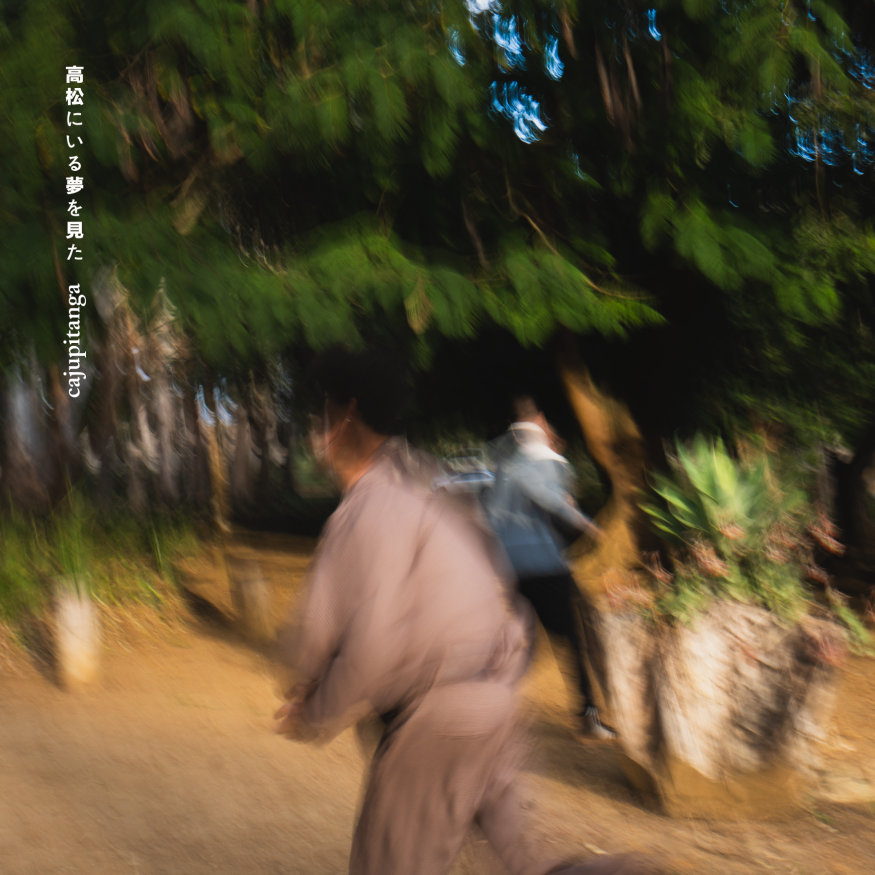
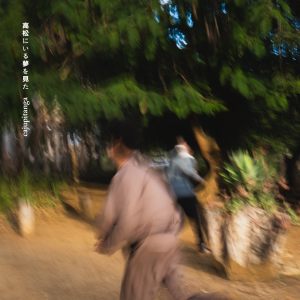
Photography by Bernardo Rezende
cajupitanga is a project idealized by Candioco and Gabriel Tupy, located in Vitória da Conquista - BA.
With musical affinities and companionship already established through previous projects, the duo came together in 2019 to consolidate compositions and ideas that emerged from unpretentious rehearsals and cultural encounters around the city. Amidst a fertile period of production, cajupitanga released a series of recordings in 2020, marking the duo's first experiments with home recordings. The collection of initial EPs establishes a freer production, built mostly on improvisations, drafts, single takes, and the use of cell phones as recorders, proposing an aesthetic connected to ambient music, but articulated in the characteristic trova guitar of Conquista, which reinterprets the influence of fellow countrymen such as Elomar and Xangai.
The duo's first album, “Tradição/Tradução” (Tradition/Translation), was released in July 2021. The work develops the lo-fi recording proposal, but adds electronic experimentation through the use of the computer as a sound tool. The album also marks the beginning of the Conquista project's partnership with the historic label Cantores Del Mundo, a legacy of the Parra family, currently headed by artist and producer Arthus Fochi.
- “Influenced by the trova guitar of the countryside, combined with Brazilian rhythms and electronic experimentalism, cajupitanga is based on homemade production and creative freedom”.
The homemade production conditions establish the creative process of the project, which starts with cell phone and field recordings, but develops both in the research of Brazilian cultural identity, especially in rural Bahia, and in the experimental possibilities that computers and electronic equipment can provide.
- “cajupitanga rehearses a countyside Bahia, of tangled land, far from the coast. Urban in appearance, but intrinsically rural. Conquista is a murky hinterland.”.
Research is fundamental to the creative process of the project. Representations of characteristic Brazilian genres are always linked to aesthetic deconstructions and sound laboratories. Just look at the EP “Ensaios Férteis,” which experiments with Latin, Afro-Brazilian, and sertanejo rhythms such as salsa, samba, forró, jazz, and ijexá, but works with the manipulation of samples and digital constructions of music, always bending the paths of composition. The work also connects cajupitanga with contemporary names such as Boogarins and ROSABEGE, references to the duo who had tracks sampled for the construction of tracks on the EP. The connection also resulted in the mastering of three tracks from the release by guitarist and producer Benke Ferraz from Boogarins. Another example is the mixtape “farra farra (montagens e trilhas)”, which uses drafts, themes, and sound experiments not used for “Ensaios Férteis” and articulates them in the style of computer glitches and soundtracks. Piano lines, loose chords on the guitar, and snippets of field recordings are superimposed like a puzzle in a work guided by sound collage and complete deconstruction of the song's structure.
Their latest release, “Próximo,” is a collaborative album with Rio de Janeiro composer Arthus Fochi. The work was determined by its process, in that it began with recordings completely free of tempo, structure, and meaning, made at home by Fochi as brief improvisations. cajupitanga samples the pieces and reinterprets them through collages, twists, inversions, and overlays with other ideas already prepared by the project. The result was a remarkably diverse album that explores a range of expressions of Brazilian and Latin music, based on the digital construction of music. Thus, improvisations, drafts, single takes, and the use of cell phones as recorders are added to the manipulation of samples and digital constructions of music to articulate compositions that range from ambient music and computer glitches to Bahian sertanejo songs and traditional Brazilian rhythms. Guided by Memory and Space, cajupitanga makes sound research a creative process of fragmenting its own history and overlapping its various aesthetic paths.
Live Performances
cajupitanga made its stage debut in 2023 in the project's hometown. The show took place at the prestigious Camilo de Jesus Cultural Center. Months later, the duo debuted in Salvador at the Vila Velha Theater. They conceptualize their performance in different ways. With an intimate, powerful, hypnotic, or free style, the duo works with the identity of the countryside acoustic guitar, but encourages digital experimentation with live manipulation of samples, recording loops, and the use of the computer as a tool. A fundamental point is the reconstruction of most of the tracks in completely new versions, since they understand their work as being in motion, and their performances as specific modulations of their compositional process. Always open to diverse influences, their performances range from contemplative guitar and ambient piano to the intensity of distorted drones, beats, and shoegaze guitars. In 2025, they took to the stage for the first time as a band to perform “TRAMA,” a show in which the duo revisits works from their career and presents new tracks. Alongside Ramon Gonçalves (Aurata) on bass, Pedro Oliveira (BAGUM) on synthesizers and effects, and Paulo Pitta on saxophone, cajupitanga presented the new format at Largo Quincas Berro D'água, Pelourinho, opening the Boogarins show in September this year.
contact
instagram: @cajupitanga_
website: cajupitanga.com
youtube: https://www.youtube.





Comments(0)