
The Human Side of Music: Alan Daniel Tobin on Spotify, AI and Why Artists Still Matter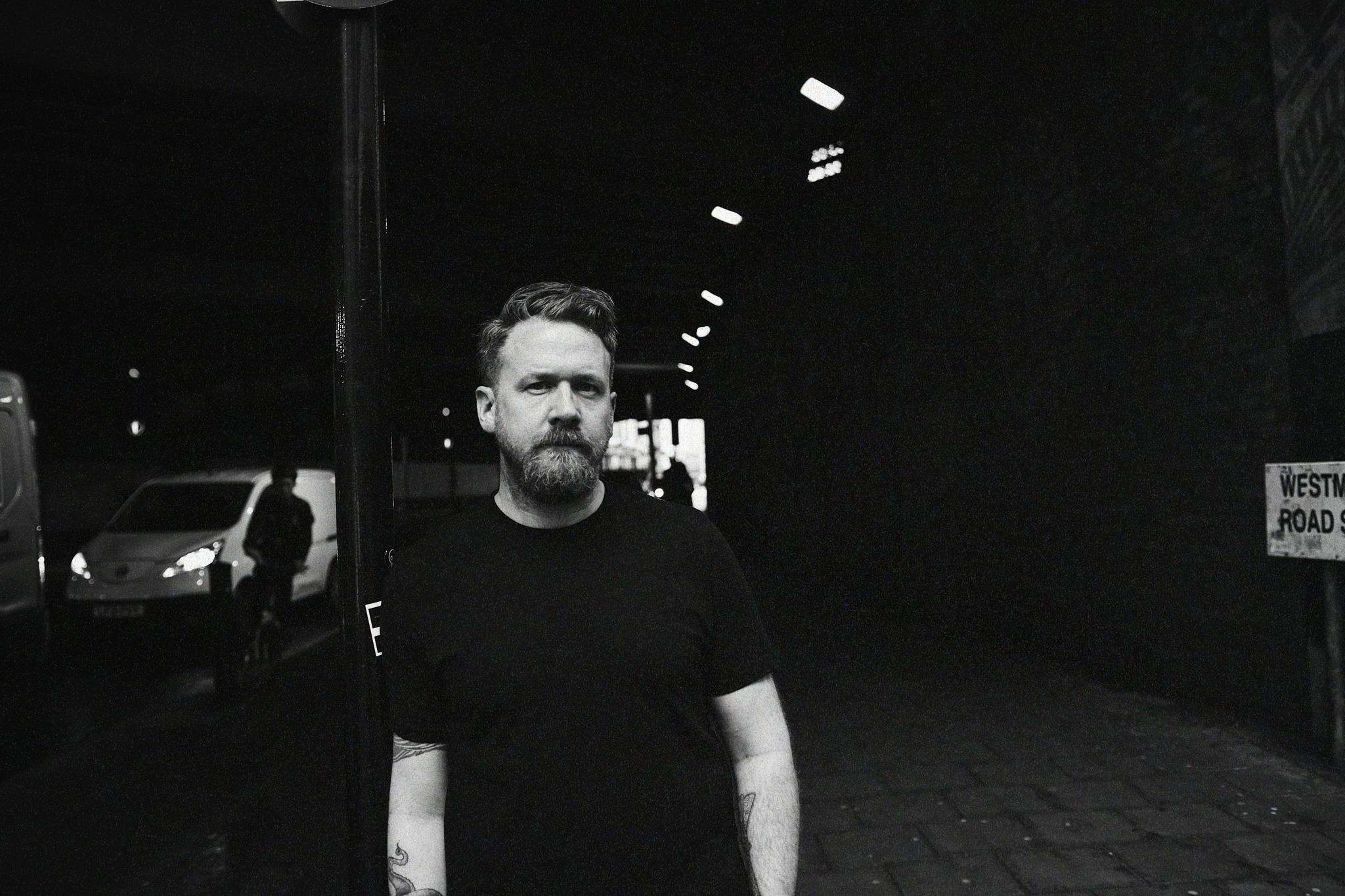
As streaming, algorithms and artificial intelligence increasingly shape how we discover and consume music, Alan Daniel Tobin believes the future of independent music may lie in something technology cannot reproduce: the human story behind the song.
Millions of songs sit in our pockets, ready to soundtrack almost any moment. Algorithms decide what we hear next, playlists can be built around a mood rather than a musician, and increasingly sophisticated AI tools can produce entire songs in seconds.
But as access to music has become almost limitless, the person behind the music can become increasingly difficult to see.
For Irish folk musician Alan Daniel Tobin, that human connection is becoming more important, not less.
A musician for more than two decades, Tobin has played in various bands while developing his own original material. He is a member of folk group LOWmountain and has released three solo albums, the latest under his full name rather than his previous moniker, ADT.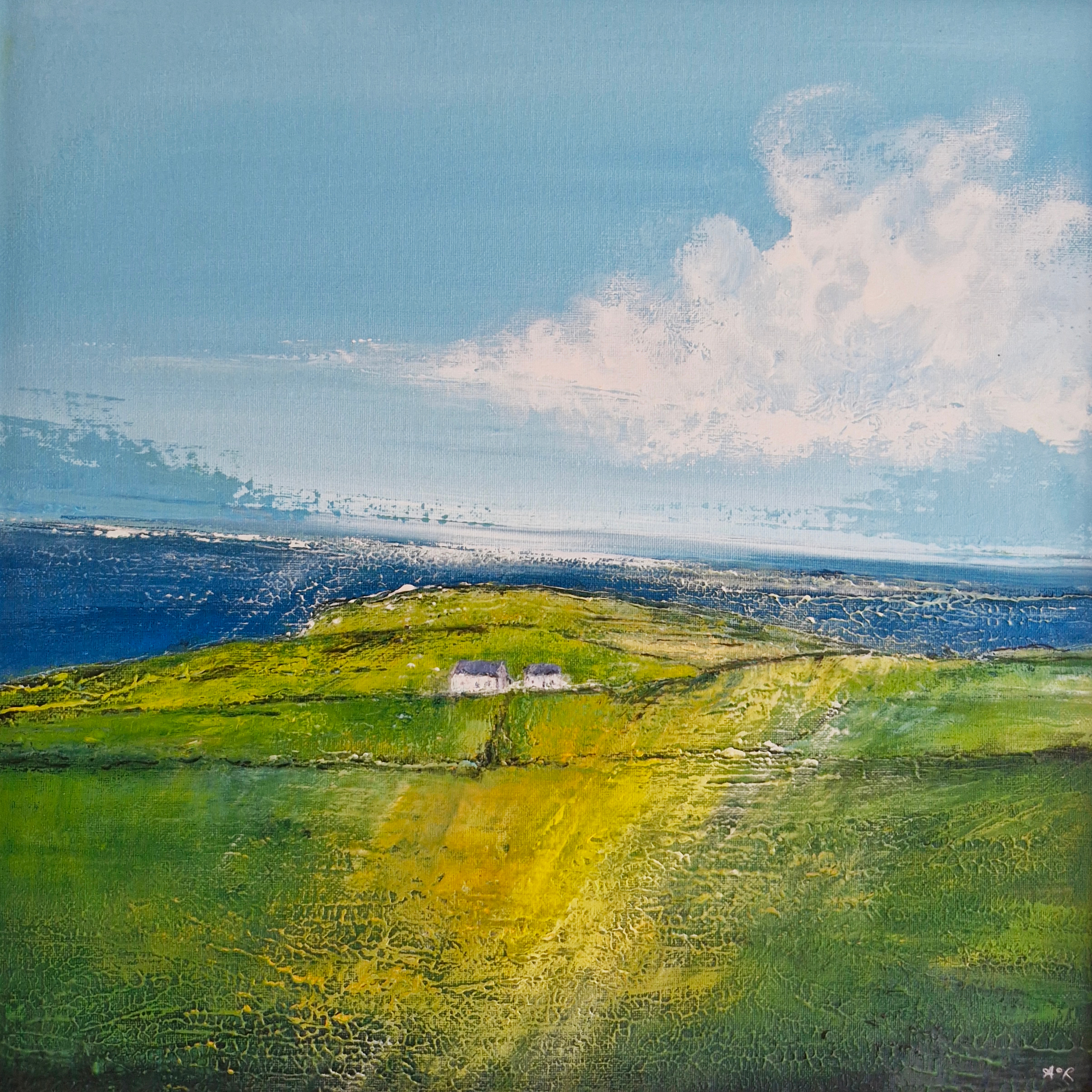
‘Mountain Common’ Album Cover: ‘Light on the Mountain Common’ by Aidan O’Regan
His music is deeply rooted in personal experience. Field recordings capture cityscapes and seascapes, while sounds from his family and surroundings become part of his recordings. His solo work has become, he says, something of a musical diary for his children.
That is particularly evident on his latest album, Mountain Common, where the opening track, Good Morning, features children's voices singing “I will always love you”.
In an age when AI can be prompted to generate a song about almost anything, there is something refreshingly human about this approach.
From the artist to the algorithm
Tobin recently made the decision to remove his music from Spotify. The decision was primarily political, prompted by his concerns about Spotify CEO Daniel Ek's investments in war technology, such as German drone maker Helsing, to which Ek is also the Chairman (Source: CNBC). He has also stopped his Spotify subscription, while acknowledging the platform's reach and its usefulness to artists seeking new audiences.
For independent musicians, however, reach does not necessarily translate into sustainable income. Streaming can put an artist in front of millions of potential listeners while offering very little financial return.
Tobin advocates more direct forms of support, particularly Bandcamp, where listeners can buy music, merchandise and other products directly from artists. There is a distinction at the heart of this: listening to an artist via streaming services is not necessarily the same as supporting one.
Going to a gig, buying an album or piece of merchandise, visiting an artist's website or simply telling someone about their music all create a more direct connection between listener and musician.
For Tobin, individual action can become collective action. “You mightn't think, you know, a little old me, what am I going to affect the world?” he says. “But it's not you, just you. It's the mass movement really.”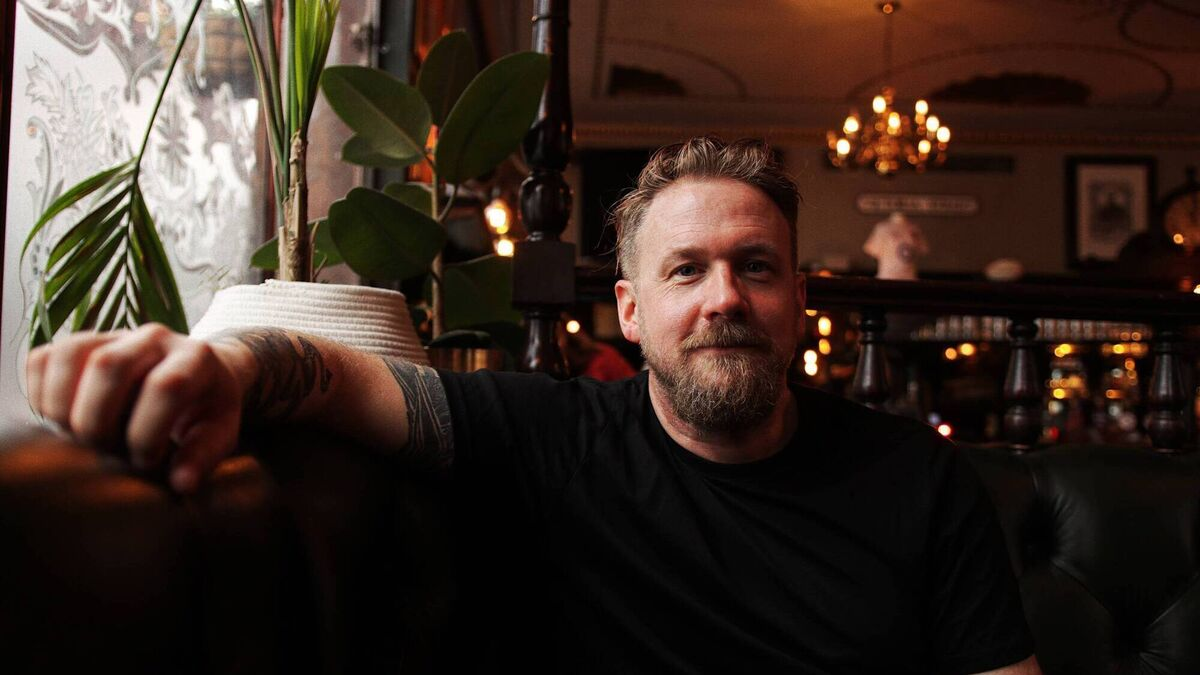
That belief in community and collective action also extends beyond music. Tobin and his family regularly participate in demonstrations and marches relating to Israel’s genocide of the Palestinian people in Gaza (source: United Nations), motivated by his belief that people should engage with injustice rather than simply observe it. As a parent, he also wants his children to understand that they can participate in the world around them.
That sense of responsibility is closely connected to his understanding of music itself.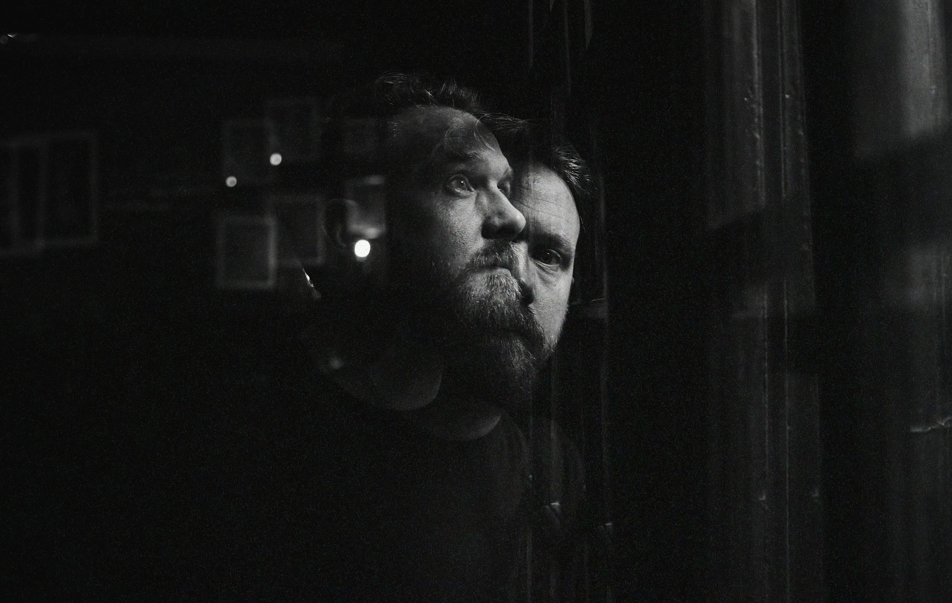
The Creative Act
Tobin's creative process illustrates this perfectly. His songs begin with an emotion, memory or feeling, developed from guitar and melody before the words emerge. His recordings also incorporate the sounds of the people and places around him.
Through a songwriting project bringing together artists from the North of Ireland and the Republic of Ireland, he has travelled north without a finished idea, instead sitting down over a cup of tea, talking about their lives and the news, and creating a song together. By the end of the day, they have something new.
“It’s just the joy of making, creating music,” says Tobin.
It is music created not from a prompt, but from people, place, conversation and shared experience.
Listen Differently
In a time when AI music is beginning to seep into the music we listen to everyday, the challenge for listeners is to dig a little deeper into the story.
When you discover music you love, find out who made it. Go beyond the playlist. Go to the gig, buy the album, support the artist directly and tell others about their music.
Listen to the full interview & sprinkling of tracks below. You can head over to alandanieltobin.com to support him directly.
Comments(0)